
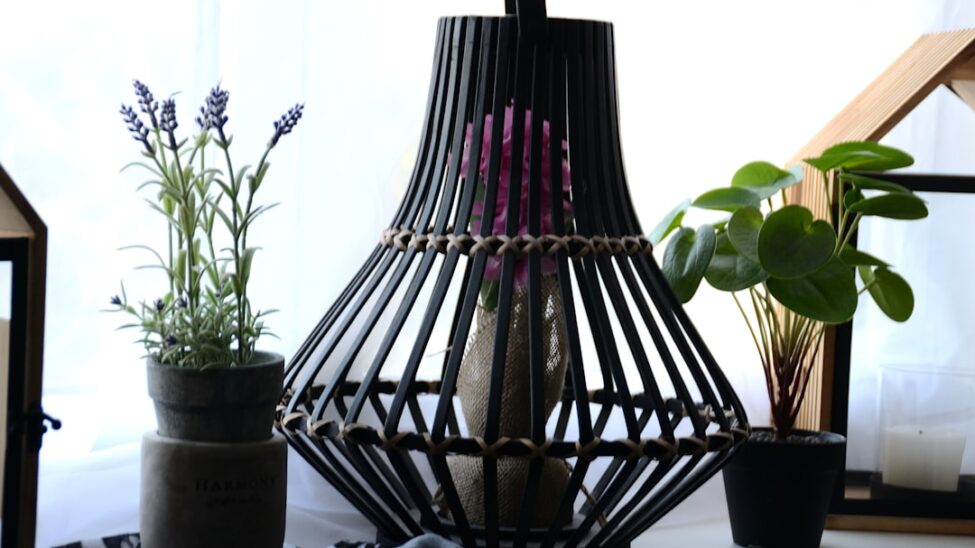
Innovative Ways to Use Plants in Home Decoration
Plants are more than just decorative elements in a home; they are vital components that enhance the ambiance and improve air quality. Incorporating plants into your home decor can transform spaces, making them feel more vibrant and alive. Whether you are looking to refresh a room or create a serene environment, understanding how to effectively use plants can elevate your interior design.
Choosing the Right Plants
When selecting plants for your home, consider the lighting conditions of each room. Some plants thrive in bright, direct sunlight, while others prefer low-light environments. For instance, succulents and cacti are ideal for sunny spots, while snake plants and pothos can flourish in shadier areas. Additionally, think about the size and scale of the plants in relation to your space; larger plants can serve as focal points, while smaller ones can accentuate shelves and tables.
Another important factor is maintenance. If you have a busy lifestyle, opt for low-maintenance plants like ZZ plants or peace lilies that require minimal care. Understanding your lifestyle and the amount of time you can dedicate to plant care will help you choose the right varieties that will thrive in your home without becoming a burden.
Creating Focal Points with Plants
Using plants as focal points can dramatically change the perception of a room. Large potted plants, such as fiddle leaf figs or rubber plants, can draw the eye and create a sense of height and drama. Position these plants in corners or near windows to maximize their visual impact. Additionally, grouping smaller plants together on a console table or shelf can create a lush, layered look that adds depth to your decor.
Consider using plant stands or hanging planters to elevate your greenery and add dimension to your space. This not only showcases the plants but also allows for better air circulation and light exposure. By strategically placing plants at varying heights, you can create an engaging visual narrative that invites exploration and appreciation.
Incorporating Plants into Different Rooms
Each room in your home offers unique opportunities for plant decoration. In the living room, consider using a mix of tall and short plants to create a dynamic arrangement. A large plant can anchor the space, while smaller plants can be used on side tables or shelves to add layers. In the kitchen, herbs like basil or mint can be both decorative and functional, providing fresh ingredients for your meals.
In bedrooms, plants like lavender or snake plants can promote relaxation and improve air quality. Placing a small plant on your nightstand or a larger one in a corner can create a calming atmosphere. Bathrooms can also benefit from plants that thrive in humidity, such as ferns or peace lilies, adding a touch of nature to your daily routine.
Utilizing Creative Plant Displays
Creative displays can turn your plants into art pieces. Consider using wall-mounted planters or vertical gardens to save space and create a stunning visual effect. This approach not only showcases your plants but also adds a unique design element to your walls. Hanging plants from the ceiling or using macramé hangers can also introduce a bohemian flair to your decor.
Another innovative idea is to use terrariums or glass containers to create miniature ecosystems. These can serve as conversation starters and add a touch of whimsy to your decor. By experimenting with different display methods, you can find the perfect way to integrate plants into your home while reflecting your personal style.
Step-by-step plan:
Step 1: Assess the lighting conditions in each room to determine suitable plants. Step 2: Choose plants that match your lifestyle and maintenance preferences. Step 3: Create focal points by strategically placing larger plants and grouping smaller ones. Step 4: Experiment with creative displays to enhance your home decor.